Many women with larger breasts experience physical discomfort that can affect everyday life. Back and neck pain, shoulder pressure from bra straps, skin irritation and difficulty exercising are just some of the reasons women consider breast reduction surgery.
For some patients, it is also about how their breasts feel in proportion to the rest of their body and being able to wear clothes more comfortably.
Breast reduction surgery, also known as reduction mammoplasty, is a procedure that removes excess breast tissue, fat and skin before reshaping the remaining breast tissue. The aim is to create smaller, lighter and more proportionate breasts while maintaining a natural appearance.
If you are considering breast reduction surgery in Newcastle, understanding what the procedure involves and what recovery is like can help you decide whether it may be suitable for you.
What is breast reduction surgery?
Breast reduction surgery involves removing some of the excess breast tissue, fat and skin that contributes to the size and weight of the breasts.
The remaining breast tissue is then reshaped, and the nipple and areola are usually repositioned to a more appropriate position on the breast.
The exact approach varies from patient to patient. Your surgeon will consider factors such as your breast size and shape, the amount of tissue that needs to be removed, your skin quality and your individual goals when planning the procedure.
Breast reduction is not simply about making the breasts smaller. A significant part of the operation involves reshaping the breasts so that they remain balanced and proportionate to your body.
Why do women consider breast reduction?
There are many different reasons why someone may consider a breast reduction.
For some women, large or heavy breasts cause ongoing physical symptoms, including:
- Back pain
- Neck and shoulder discomfort
- Grooves or indentations from bra straps
- Skin irritation or rashes beneath the breasts
- Difficulty finding comfortable or well-fitting clothing
- Difficulty exercising or taking part in certain activities
- A feeling of heaviness in the breasts
For others, the main concern may be the size, shape or proportion of their breasts.
These concerns can sometimes affect confidence and make everyday activities more difficult than they need to be.
A consultation with a specialist breast surgeon is an opportunity to discuss what is troubling you and whether breast reduction surgery could help.
Who is suitable for breast reduction surgery?
Breast reduction can be suitable for women whose breast size is causing physical discomfort, affecting their quality of life or making them unhappy with their breast proportions.
There is no single breast size that means someone should have a reduction. Every patient is different, and suitability depends on your individual circumstances.
During your consultation, your surgeon will assess your breasts, discuss your medical history and listen to what you would like to achieve from surgery.
It is important that you have realistic expectations about what breast reduction can achieve. Your surgeon will also explain the potential risks and limitations of the procedure so that you can make an informed decision.
What happens during a breast reduction procedure?
If you decide to proceed with breast reduction surgery, the operation is normally performed under a general anaesthetic.
Although the precise technique varies between patients, the procedure generally involves several stages.
- Planning the breast reduction
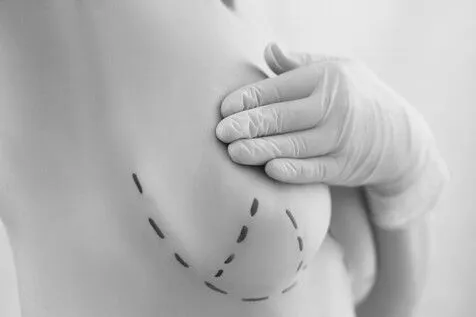
Before surgery, your surgeon will carefully plan the procedure based on your existing breast shape and size and the result you are hoping to achieve.
The position of the nipple, the amount of tissue to be removed and the final breast shape all need to be considered.
- Making the incisions
The incision pattern depends on the amount of tissue that needs to be removed and the degree of reshaping required.
A commonly used technique involves an incision around the areola with a vertical incision extending down towards the breast crease. In most patients, an additional incision along the breast crease is required.
Your surgeon will discuss the planned incision pattern with you before surgery.
- Removing excess breast tissue
Excess breast tissue, fat and skin are removed to reduce the overall size and weight of the breasts.
The remaining breast tissue is then reshaped to create a smaller and more balanced breast.
In some cases, liposuction may also be used to refine the shape of the breast or surrounding areas.
- Repositioning the nipple
As the breast is reduced and reshaped, the nipple and areola may need to be moved to a higher position.
This helps maintain a natural relationship between the nipple and the newly shaped breast.
Your surgeon will explain how this applies to your particular procedure during your consultation.
- Closing the incisions
Once the breast has been reshaped, the incisions are carefully closed with sutures.
Dressings or surgical tape may be applied, and you will normally be advised to wear a supportive bra during the early stages of your recovery.
How long does breast reduction surgery take?
The length of a breast reduction operation varies depending on the individual patient and the complexity of the surgery.
As a general guide, the procedure can take around two to four hours, although your surgeon will be able to give you a more accurate indication based on your planned operation.
What is breast reduction recovery like?
It is normal to experience some swelling, bruising, tightness and discomfort after breast reduction surgery.
Your breasts will also look different immediately after surgery, and their shape will continue to change as the swelling settles and the tissues heal.
Most patients need to take some time away from work and normal activities. If you have a desk-based job, you may be able to return to work after around one to two weeks, although this varies considerably between individuals.
More strenuous exercise and heavy lifting normally need to be avoided for longer.
Your surgeon will give you specific advice about returning to exercise, driving, work and other activities based on how your recovery is progressing.
Will there be scars after breast reduction?
Scarring is an unavoidable part of breast reduction surgery because incisions are required to remove tissue and reshape the breasts.
The final scars vary from person to person and can take many months to mature and fade.
Your surgeon will explain where you can expect the scars to be and discuss how they may change over time.
Can breast reduction help with back pain?
For women whose symptoms are related to the size and weight of their breasts, reducing the amount of breast tissue can help reduce the physical strain associated with larger breasts.
Many women seek breast reduction because of ongoing back, neck or shoulder discomfort.
However, it is important to understand that back pain can have many different causes. Breast reduction cannot guarantee that existing back pain will disappear, particularly if there is another underlying cause.
This is something you can discuss with your surgeon during your consultation.
What are the benefits of breast reduction surgery?
The potential benefits of breast reduction are both physical and personal.
Depending on your individual circumstances, you may find that surgery helps with:
- Reducing the weight and size of the breasts
- Relieving some breast-related back, neck or shoulder discomfort
- Reducing pressure from bra straps
- Making exercise and physical activity more comfortable
- Making it easier to find clothes and bras that fit well
- Improving the overall proportions of the breasts
- Feeling more comfortable and confident in your body
The results are different for every patient, and your surgeon will discuss what can realistically be achieved in your case.
Is breast reduction surgery right for you?
Choosing to have breast reduction surgery is a personal decision. For some women, the physical discomfort associated with larger breasts has been present for many years. Others are primarily concerned about their breast size, shape or how their breasts affect their confidence.
There is no need to feel that you have to make a decision immediately.
A consultation gives you the opportunity to talk openly about your concerns, discuss what you would like to achieve and understand the benefits, risks and recovery involved.
Breast reduction surgery in Newcastle
If you are considering breast reduction surgery in Newcastle, Mr Rob Milligan can discuss your concerns and help you understand whether breast reduction may be appropriate for you.
Every breast reduction is planned around the individual patient. Your consultation is an opportunity to discuss your symptoms, your expectations and the type of result you would like to achieve.
If you are thinking about breast reduction but are unsure whether surgery is right for you, arranging a consultation can be a useful first step.
Book a consultation with Mr Rob Milligan to discuss breast reduction surgery in Newcastle and find out more about the procedure, recovery and what you can expect.